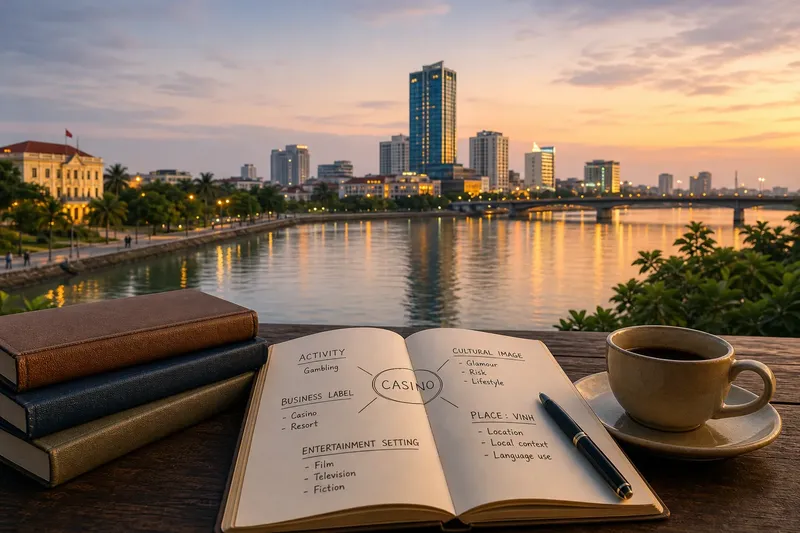
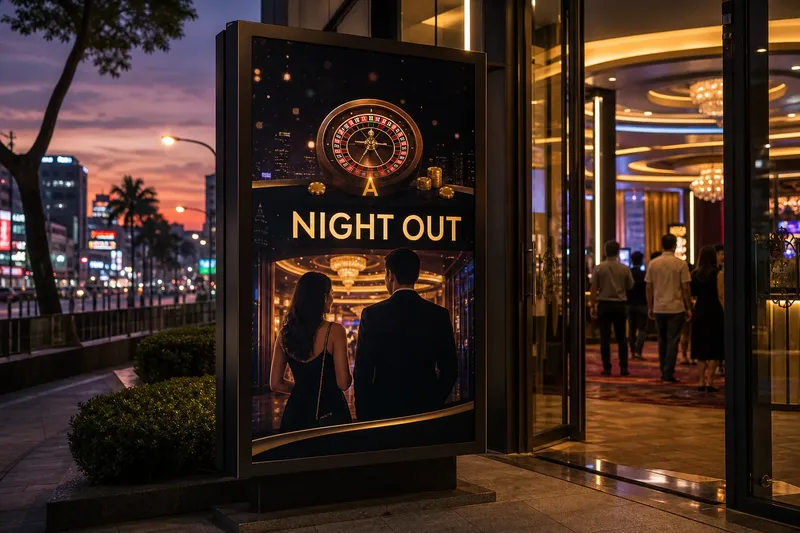
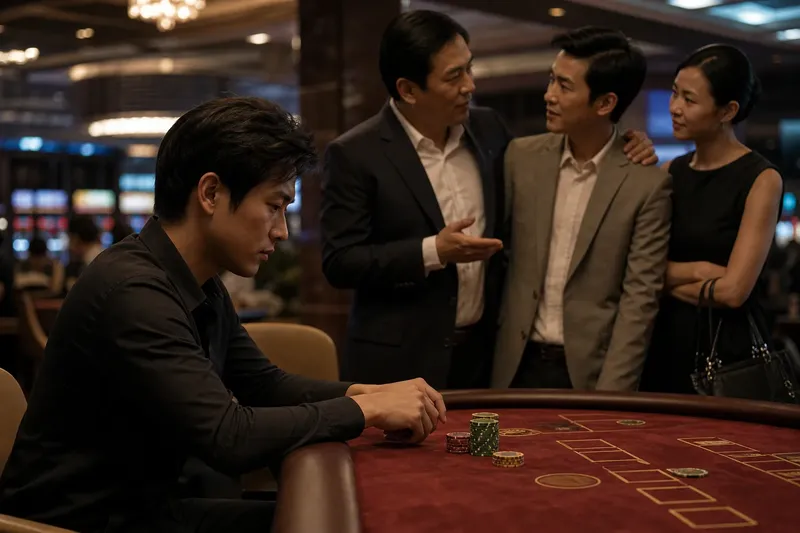
How Casino Language Shapes Vinh’s Public Image
Casino language in Vinh shows how words frame leisure, status, and place; learn to read its public meaning without mistaking a message for local consensus.
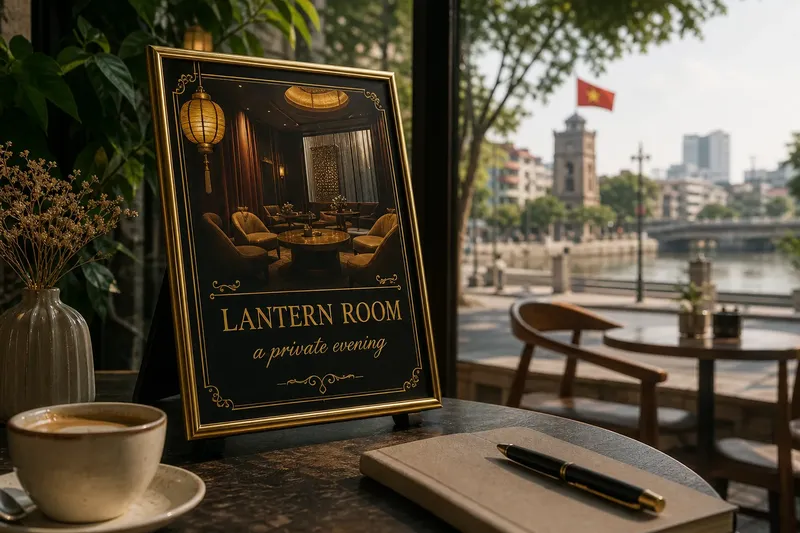
What does casino language in Vinh tell you about the city’s public image? A sign that calls a room “private” or a night “exclusive” does more than name an activity: it gives casino leisure a social frame, while leaving local reactions unanswered.
That frame is worth reading in its own right. Rather than treating promotional material as a report on visitors, look at the words it chooses, the setting where they appear, and the local references it uses to make an unfamiliar or specialized venue feel connected to Vinh.
Words of invitation
Casino language often sorts experiences into recognizable social categories: privacy, status, excitement, companionship, or escape. Each term invites a reader to imagine a particular kind of evening, but it does not establish who accepts the invitation or how anyone behaves inside.
Pay attention to the difference between a direct description and an implied promise. “Private room” names a feature if the venue actually offers one; “an evening apart” is mood-setting language. If the wording is ambiguous, record it as a phrase used in promotion rather than converting it into a claim about the venue.
It is not worth the effort to decode every color or decorative flourish as a secret local signal. A gold border may simply be a gold border; language and identifiable place references give a firmer basis for interpretation.
Vinh as a setting
A reference to Vinh can do several kinds of work. A venue name or street address helps identify a location, while a landmark or city image can lend a promotion a local atmosphere without showing how the venue relates to the surrounding neighborhood.
Keep the source and the setting distinct. A sign seen in a hotel, café, or commercial corridor belongs to that point of display; it does not by itself show that nearby residents use the venue or share the message’s assumptions.
Local language matters too, but its presence is not a head count. It may make a message legible to local readers, address visitors who recognize the place, or simply reflect the language chosen by the promoter. Describe what is printed before assigning a motive.
Social meaning without overclaiming
Words about privacy can frame casino leisure as discreet or exclusive. Language about friends and shared entertainment can frame it as sociable. Those are representations of a possible experience, not descriptions of the actual audience or a verdict on local attitudes.
Media representation also depends on what is left unsaid. A promotion may name amenities and atmosphere while saying nothing about ordinary routines, access, or the range of views people hold. That omission can be noted as a feature of the message; it cannot fill in the missing information.
Say you encounter an invented sign in a Vinh café. It names “Lantern Room,” uses the phrase “a private evening,” and lists no address. First, record the café as the sign’s display place and quote the phrase as promotional language. Next, search a reliable local directory for the exact venue name; imagine it returns two unrelated listings and no matching address. The resulting decision is to describe the sign as invoking privacy and naming a venue whose location remains unconfirmed, rather than linking it to either listing or inferring anything about its patrons.
How should casino language in Vinh be read?
Does “exclusive” describe the audience?
It describes the tone the message is trying to create, not the people who attend. Unless independent information identifies the audience, report “exclusive” as wording rather than as a social fact.
Does a local landmark prove a Vinh location?
A recognizable landmark can create a local association, but it may be decorative or generic. A named venue and a matching address in a reliable local source provide a firmer basis for identifying a location.
What does local-language wording establish?
It establishes that the message uses that language, and may indicate whom the text can address. It does not establish who reads it, who visits, or how residents feel about casino leisure.
Can a sign reveal local attitudes?
A sign reveals the message its maker chose to put in public, not a consensus among residents. To discuss local attitudes, use sources that actually record people’s views and identify their limits.
Record the visible evidence
A concise note can preserve the distinction between wording, setting, and interpretation. For each observation, decide what it supports and what remains unknown:
- Exact wording: Check whether the sign says “private,” “exclusive,” or another specific phrase; if it does, quote it and describe the tone it suggests, and if the wording is unreadable, mark it uncertain rather than paraphrasing from memory.
- Language used: Check which language or languages appear; if they are identifiable, record them without guessing the intended reader, and if they are not, describe the text as unreadable or unidentified.
- Display place: Check where the material was encountered; if the place is known, record it as the display setting, and if it is unknown, do not claim a neighborhood or audience.
- Local reference: Check for a Vinh street, landmark, or venue name; if a specific reference appears, verify it independently, and if none appears, describe the setting as nonspecific.
- Address: Check whether an address is printed; if it is, compare it with a reliable local listing before identifying the venue, and if it is missing or inconsistent, leave the location unconfirmed.
- Social framing: Check whether the message emphasizes privacy, status, or group leisure; if it does, describe that framing, and if it does not, avoid assigning one based on design alone.
- Unanswered claims: Check whether the message makes claims about visitors or local reception; if it does, attribute them to the promotion unless independently supported, and if it does not, leave those questions open.
Casino language in Vinh can be read as a public choice about how leisure is named and situated. The useful next move is to preserve the wording and verify any concrete place reference before repeating it; that keeps an interpretation attached to what the message actually says.